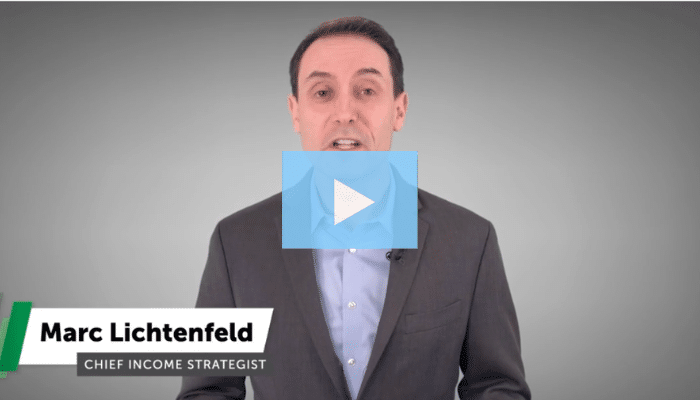
I joined the Oxford Income Letter to see what subscribers actually get, how the service is structured, and whether it lives up to the reputation Marc Lichtenfeld has built as an income-focused editor.
After going through the member area and reviewing the model portfolios, it became clear that this is not just a generic investing newsletter built around one promotional idea. It is a more structured service designed for people who want income-oriented investment ideas, ongoing guidance, and a clearer framework for managing positions over time.
In this Oxford Income Letter review, I’ll walk through the six main things prospective subscribers should know before joining: who Marc Lichtenfeld is, what the service is, how it has performed, what you get as a subscriber, how much it costs, and who it is best suited for.
(1) Who Is Marc Lichtenfeld?
Marc Lichtenfeld is the chief income strategist behind the Oxford Income Letter and one of the better-known income-focused editors associated with the Oxford Club.

He is best known for focusing on dividend-paying stocks, yield-oriented opportunities, and strategies designed to help investors generate a steadier stream of cash flow from their portfolios. He’s also known for his best-selling book, Get Rich With Dividends.
What stands out about Marc’s approach is that he is not simply pitching speculative ideas or chasing whatever theme happens to be popular at the moment. His work is much more centered on income-oriented investing, portfolio structure, and the idea that investors can build wealth over time by combining capital appreciation with reliable cash-generating investments.
(2) What Is the Oxford Income Letter?
The Oxford Income Letter is built around a fairly straightforward idea: helping subscribers generate ongoing income from their portfolios without giving up the potential for long-term upside.
What stood out to me after joining is that this is not a service built around one big prediction or a single headline-grabbing opportunity. It is a more structured service built around the idea of generating income from a portfolio of investments, while still giving subscribers exposure to longer-term appreciation.
It also includes educational material inside the member area, including the Easy Income Course that helps subscribers better understand the income-focused strategy behind the service, and Marc’s unique “10-11-12” income-producing strategy.
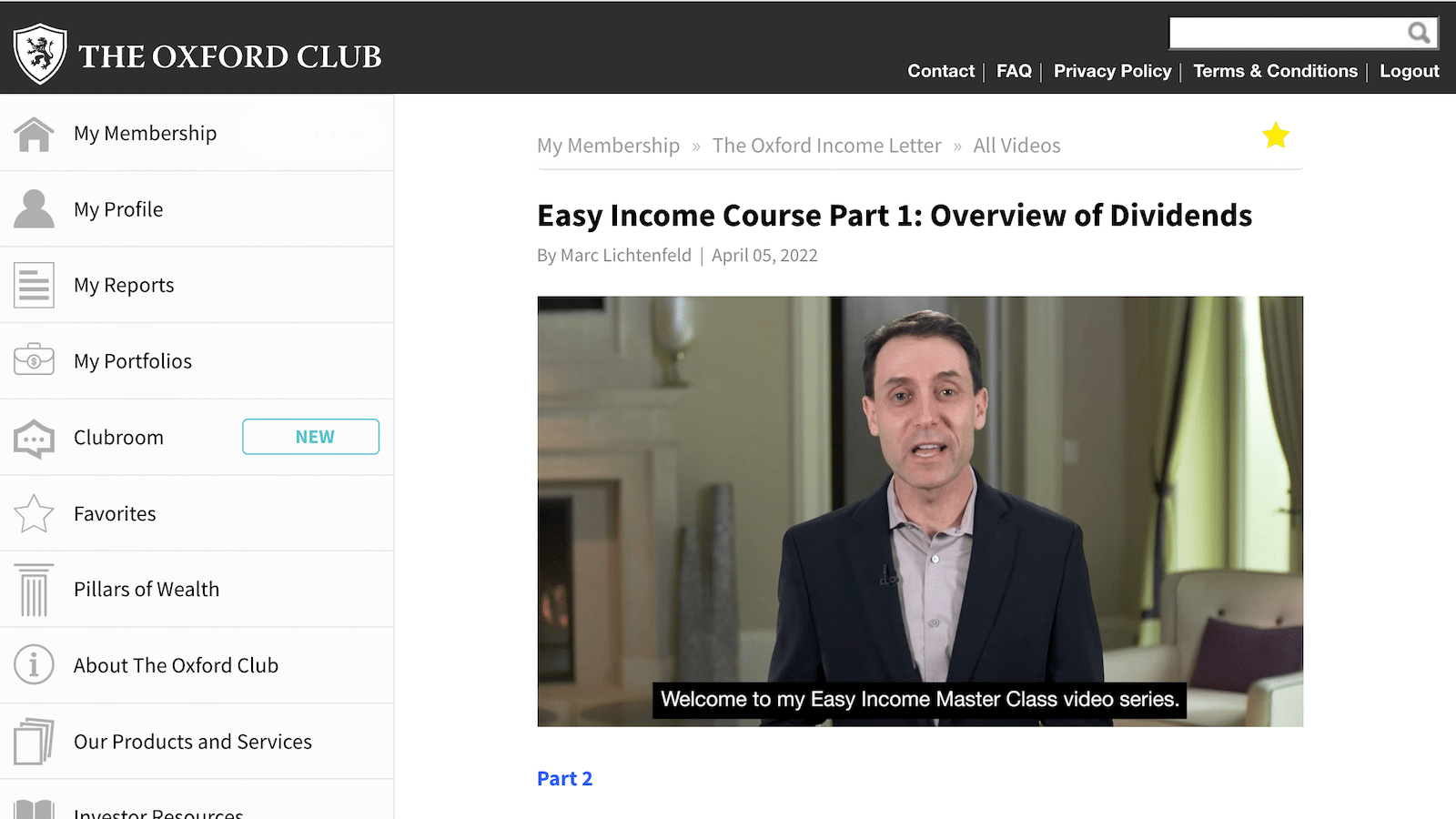
In practice, that means the service is not just about chasing the highest yield or jumping from one promotional angle to the next. It takes a broader income-oriented investing approach, with recommendations placed within a portfolio framework that makes the service feel more practical and easier to follow than many investment newsletters.
(3) How Has the Oxford Income Letter Performed?
The real test of any investment newsletter is not how polished the marketing looks. It is how the recommendations have actually held up inside the service.
From what I saw after joining, the Oxford Income Letter has performed very well across its model portfolios. The results do not appear to come from one isolated winner doing all the work either.
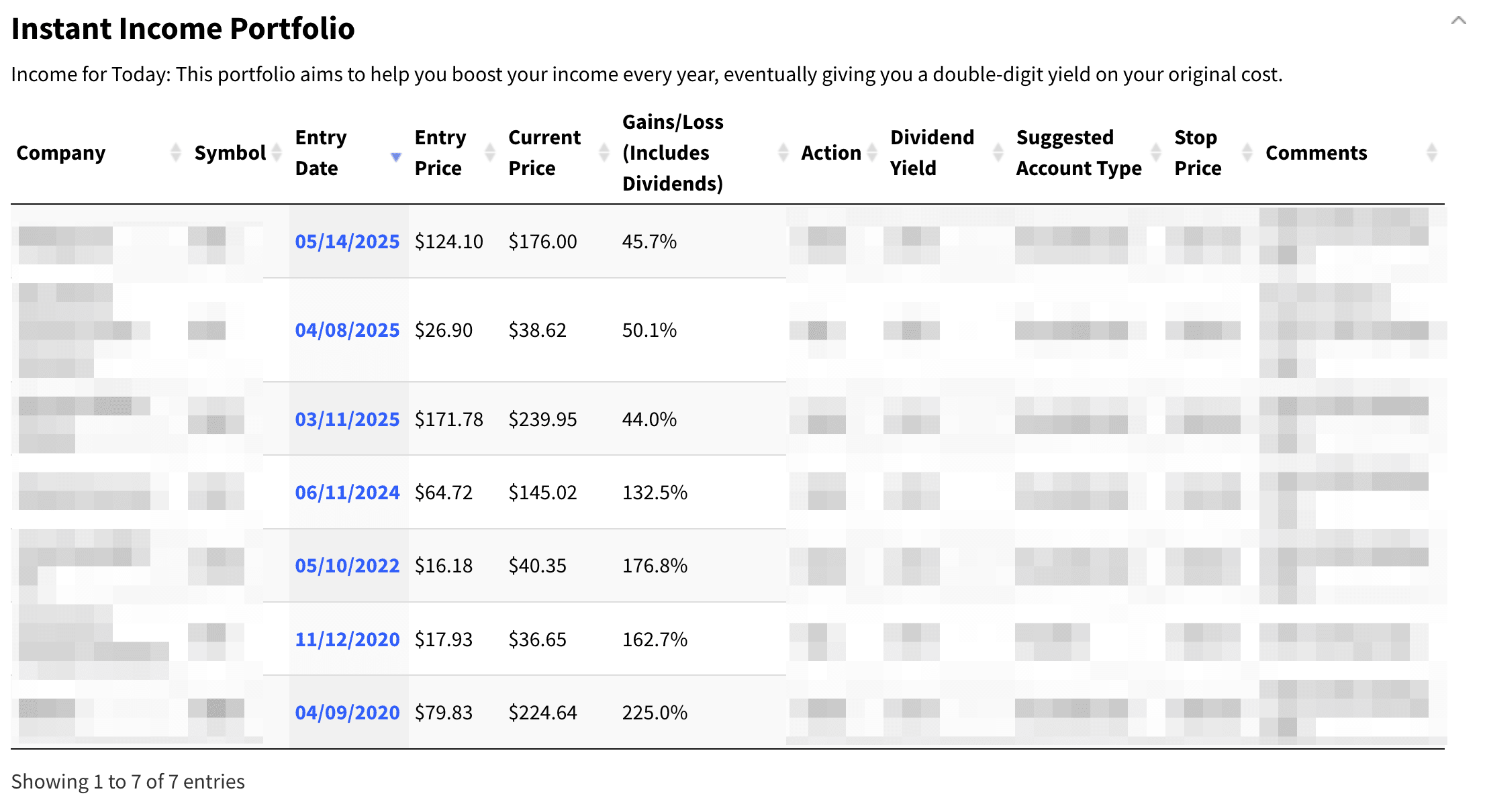
In the Instant Income Portfolio, for example, several active positions are already showing strong open gains, including dividends, with multiple holdings up well over 100%.
The Compound Income Portfolio is even more impressive from a long-term compounding perspective. It includes multiple positions showing gains of several hundred percent, including one open gain of more than 1,000% with dividends.
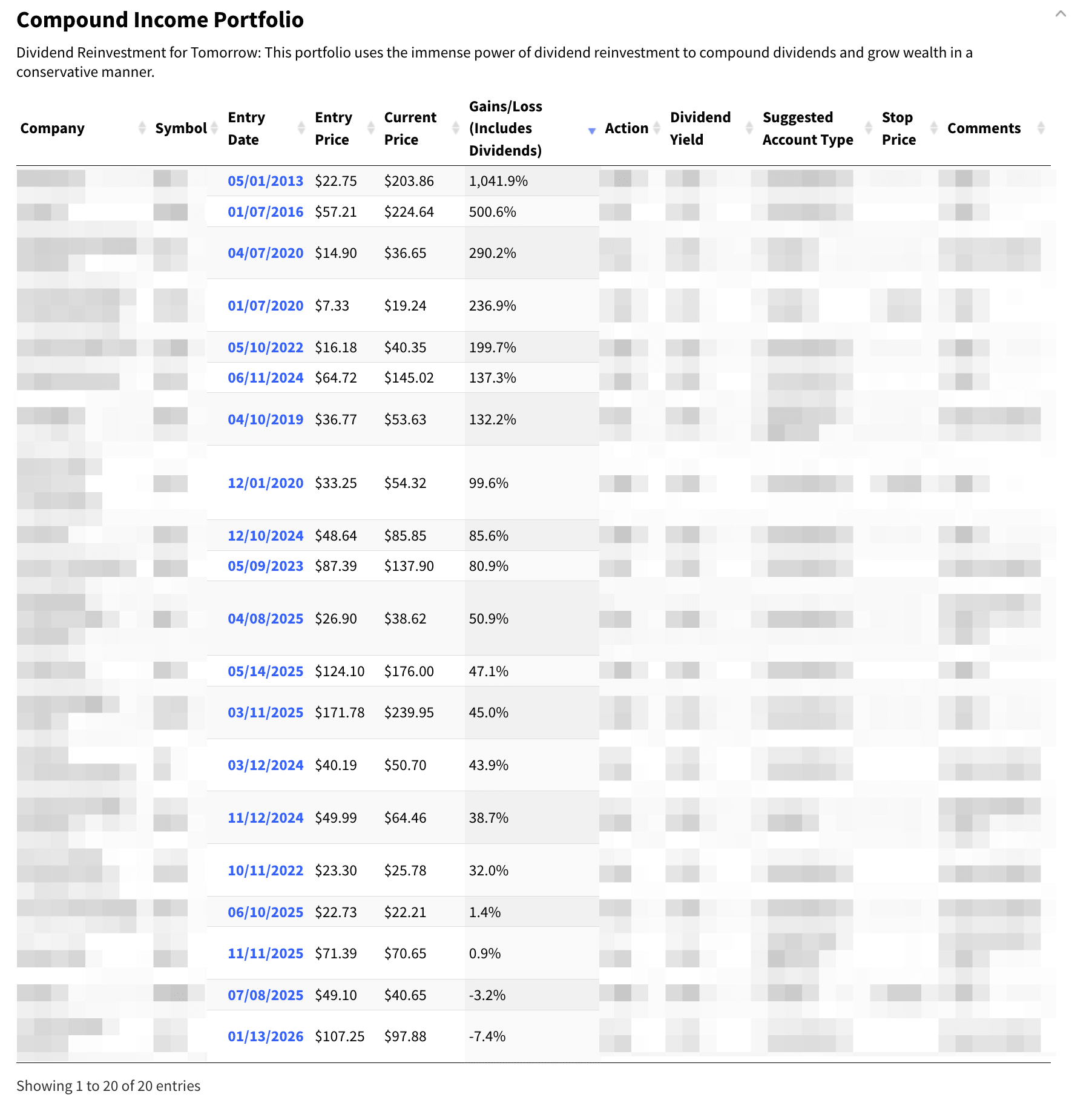
What I also like is how easy the portfolios are to navigate. The blue entry dates next to each recommendation link through to the original report where Lichtenfeld first recommended it, making it easier to review the thinking behind each position instead of just seeing a list of holdings and returns.
So you’re not just getting the “what” and “how,” but also the “why.”
(4) What Do You Get If You Join?
The Oxford Income Letter is first and foremost a monthly income-investing newsletter, with each issue featuring new ideas, portfolio commentary, and market insights from Marc Lichtenfeld and the Oxford Club team.
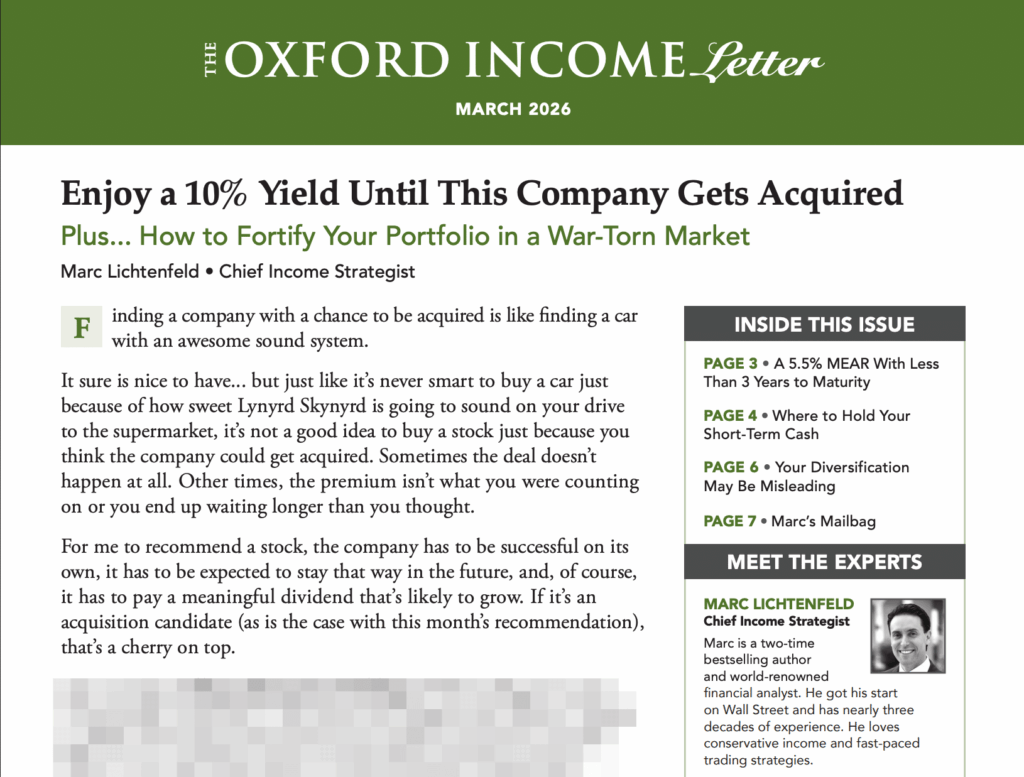
Beyond the monthly newsletter itself, subscribers also get access to a member area where the service’s portfolios, reports, and educational content are organized in one place.
Here’s an overview of what you get as a subscriber:
- Monthly issues of the Oxford Income Letter
- Model portfolios showing the current recommendations
- Buy, hold, and sell guidance tied to active positions
- Archived reports and special issues inside the member area
- Educational content, including the Easy Income Course
- Ongoing commentary and updates from Marc Lichtenfeld
Overall, I found the service easy to navigate. Between the monthly issues, the model portfolios, and the archived reports, subscribers get a fairly complete view of what Lichtenfeld is recommending and how the service is meant to be followed over time.
(5) How Much Does It Cost?
The retail price for a one-year subscription to the Oxford Income Letter is $249, but you may be able to get access for less, depending on which promotions the company is running.
A big positive here is the 365-day refund policy. That removes a lot of the risk, because it gives you a long window to look through the service and decide whether it’s the right fit.
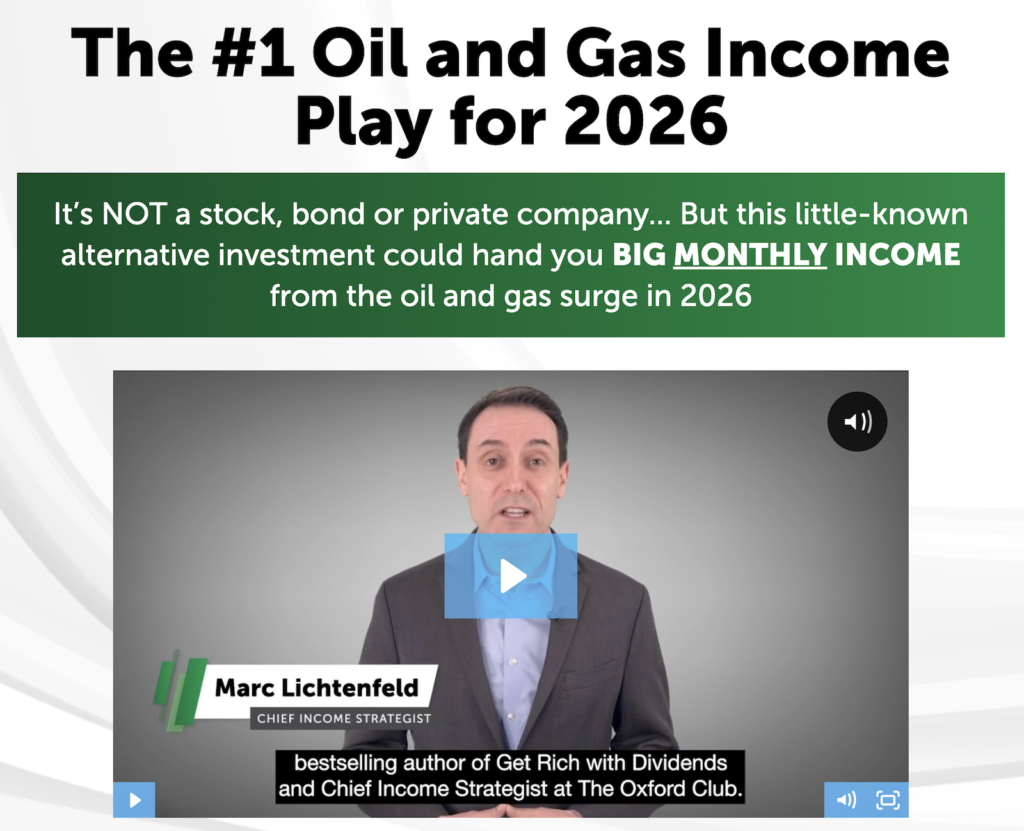
I personally joined for $49 through Marc Lichtenfeld’s latest presentation about an oil and gas income play he’s currently recommending. So if you want to see whether that lower entry price is still available, you can check the latest offer here.
(6) Who Should Join the Oxford Income Letter?
The Oxford Income Letter is best suited for investors who want income-focused ideas but still care about long-term capital appreciation.
I also think it makes the most sense for people who want a structured service with model portfolios, ongoing guidance, and an easy-to-navigate members’ area.
It is less suited to people interested in aggressive short-term trades or highly speculative ideas.
Overall, I think it is a strong fit for subscribers who want a more practical, income-focused service rather than a newsletter built around hype or one-off predictions.
If that sounds like the kind of service you’ve been looking for, the best next step is to watch Marc Lichtenfeld’s latest presentation about his top oil and gas income play for 2026:
Bottom Line
Overall, I came away with a positive impression of the Oxford Income Letter. It strikes me as a well-structured, income-focused service backed by strong model portfolio performance, a practical member area, and a generous 365-day refund policy.
It will not be the right fit for every investor. But if you are looking for income-oriented ideas and want a service that is easy to follow, I think it is well worth a closer look.
If you want to know more about the opportunities Marc Lichtenfeld has been highlighting lately, you can explore his recent presentations on oil and gas, semiconductors, and nuclear energy.